

If you like this content consider treating me to a coffee or buying my prints.
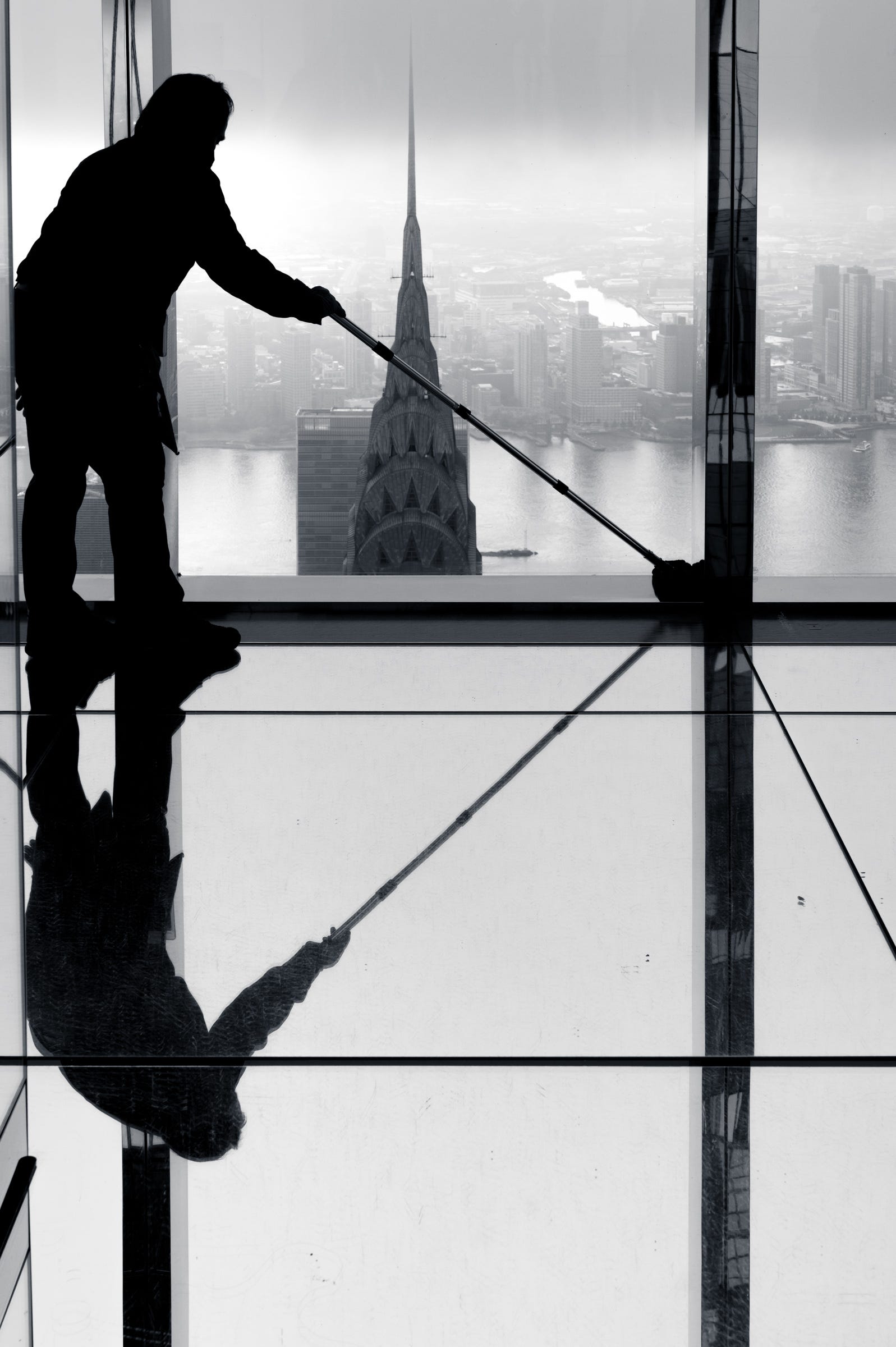
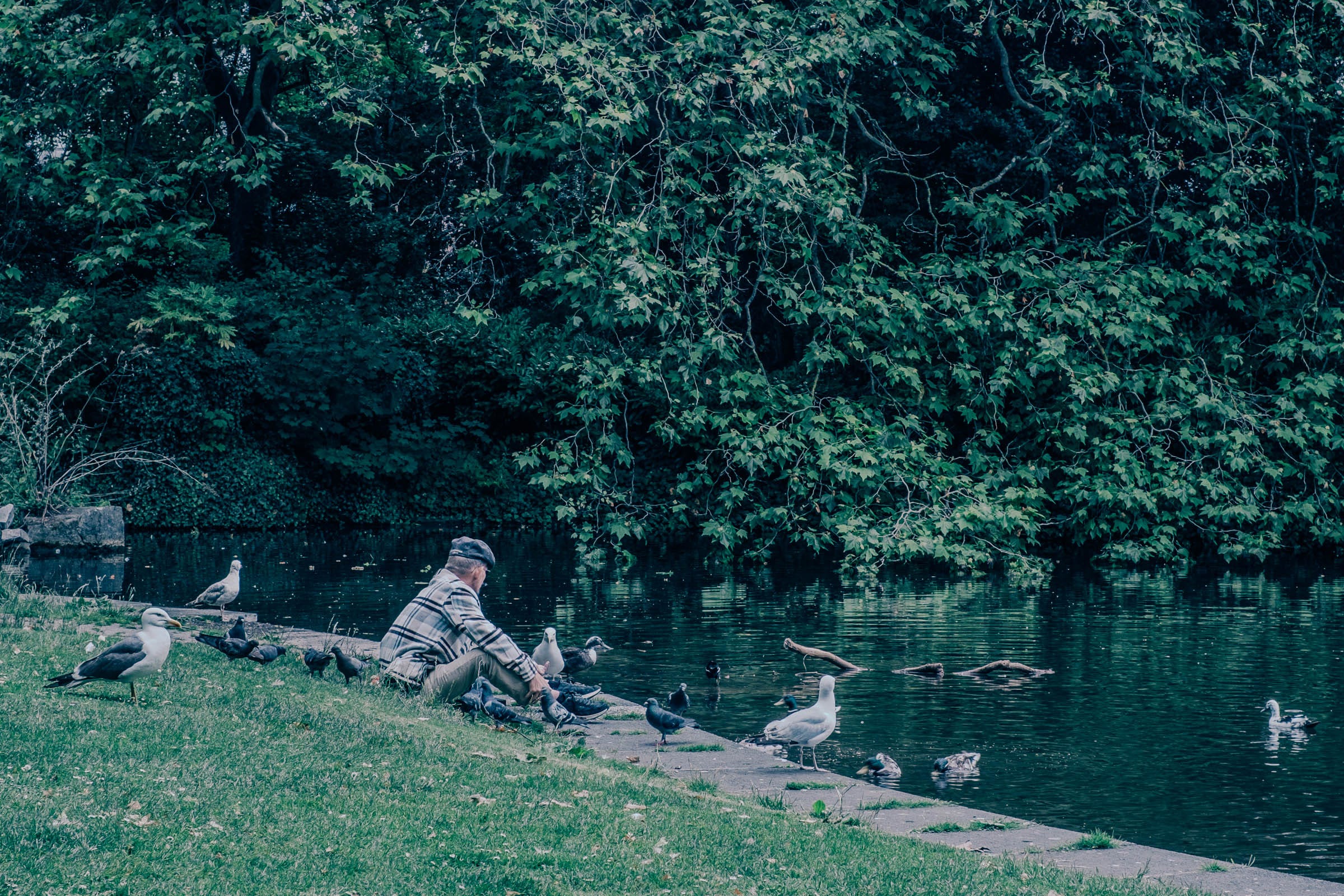
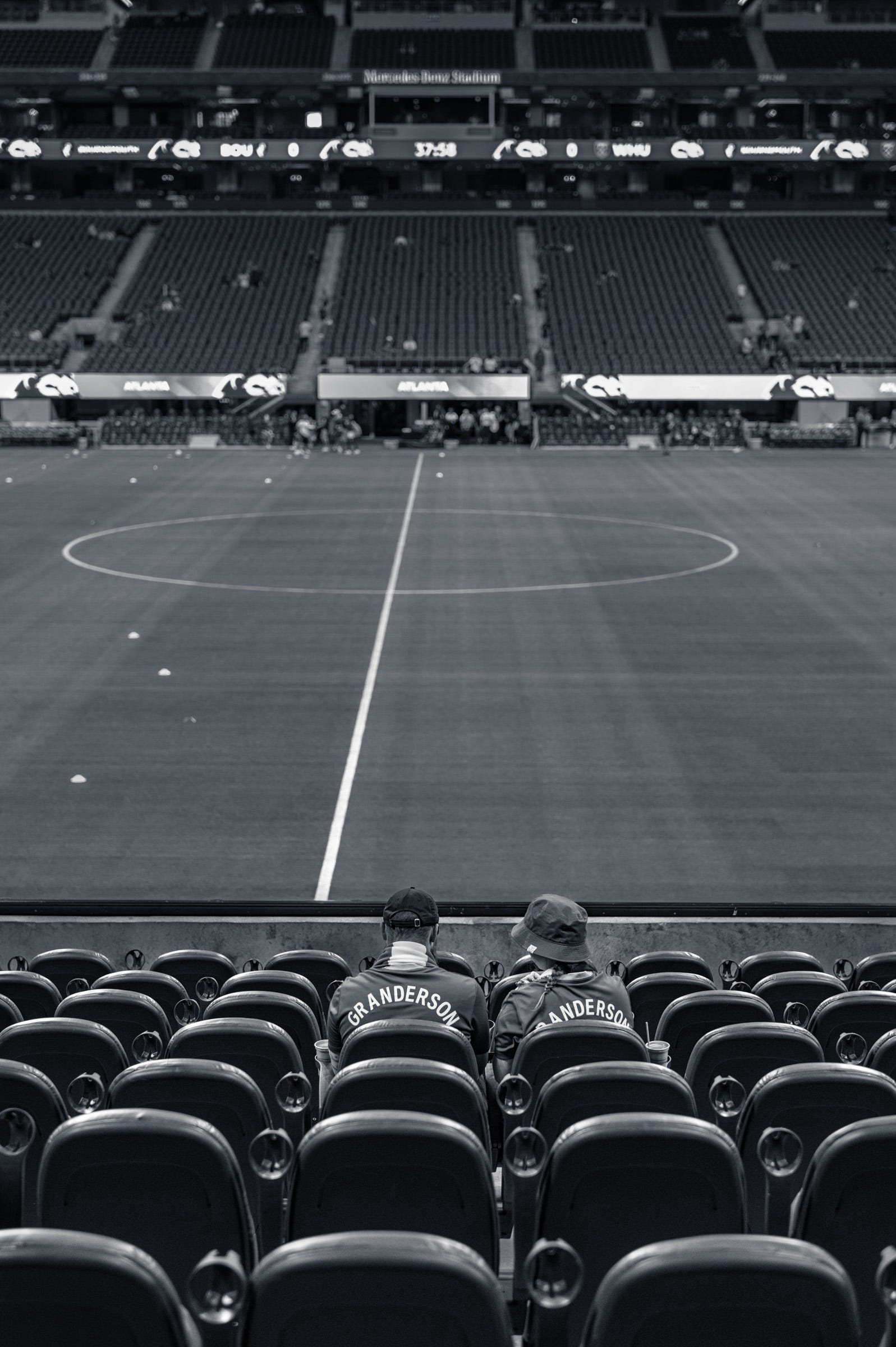
Every photograph in this week’s post has somebody in it who is on their own.
That’s the only thing they have in common. New York, Dublin, Kyoto, Miami, Atlanta, Mexico, spread over three years. The locations are the least interesting thing about any of them.
All images shot with Leica SL3, M11-P or Fujifilm X-T4.
When I’m out on the streets of New York, my process has become less about the location and more about the framing and how it tells a story. Specifically whether it shows any emotion.
I need to be careful how I say the next part, because the thing I’m about to describe not caring about is exactly what a lot of photographers love, and they’re not wrong to love it.
I’m not interested in the fact that New York is a touristy city. I’m not that interested in the people going about their commutes, day to day. The hustle and bustle.
What I like is how architecture integrates with light and shade. And people, yes. But people in the context of solitude, or taking time for themselves.
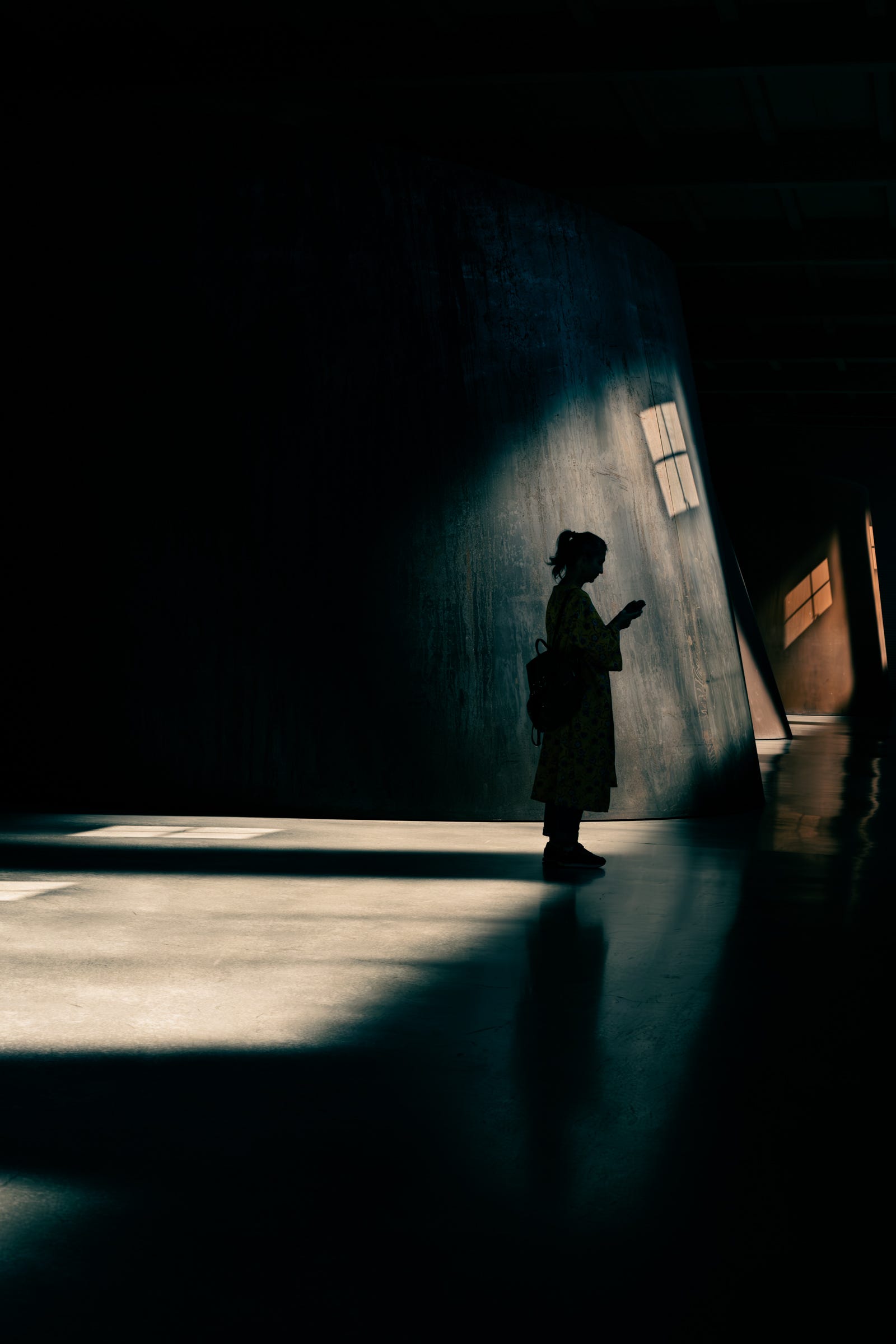
That’s a harder thing to find in a city than it would be out in rural areas.
Which is the challenge. And the challenge is what drives me when I’m shooting on the street in New York, or in any city.
When I’m somewhere that isn’t a city, all that training and experience of framing things a certain way comes with me. It turns out none of it was ever about the city. It’s about how to create emotion. How to frame a story that makes somebody think, what’s going on here? Or, this person I’m looking at, what’s going through their mind?
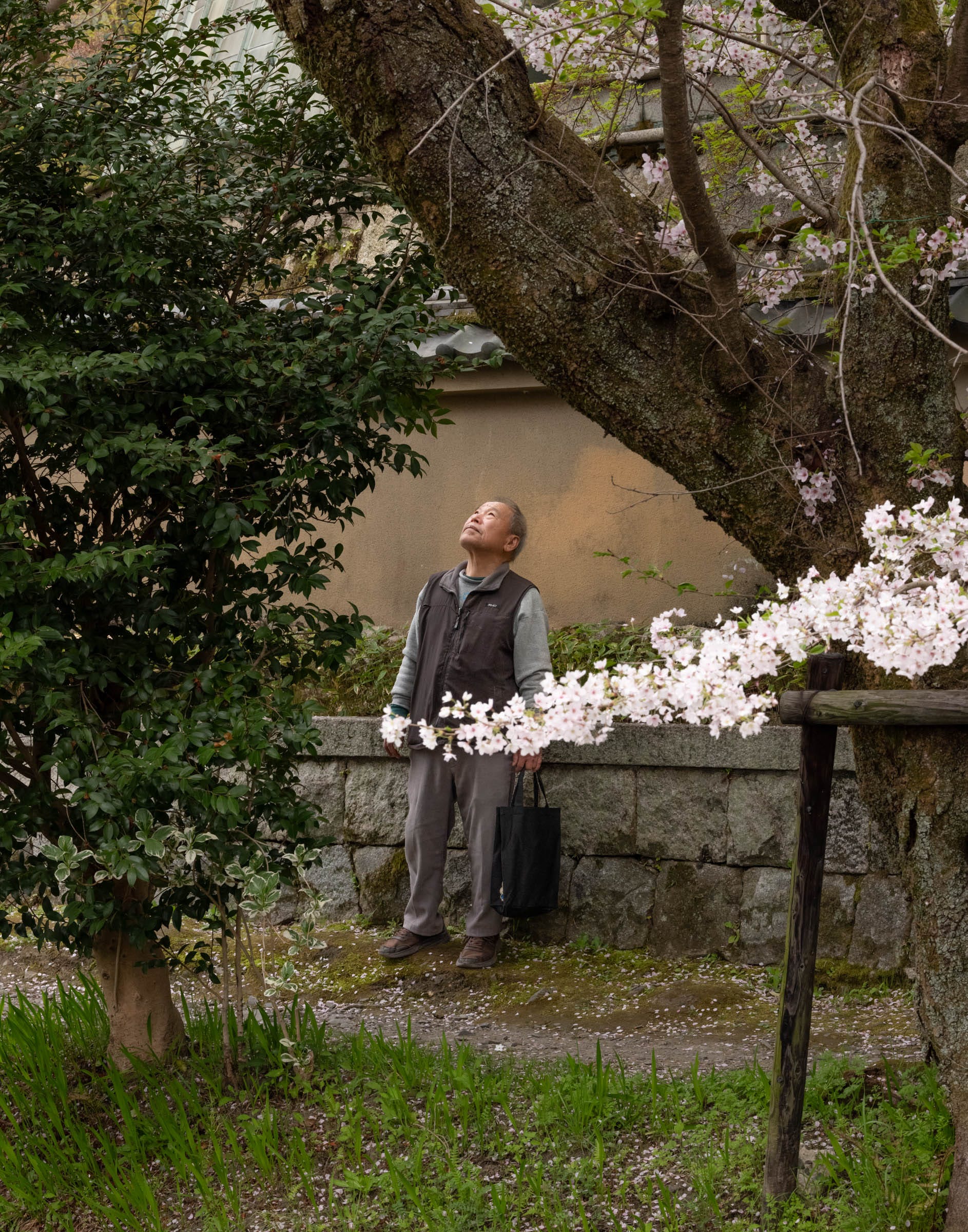
One of the photographs I’m sharing this week comes from a walk I did in Howth, in Dublin.
I wrote about that walk before, in a piece about how long it took me to recognize my own home, or to feel anything much about it. Go and read that one if you haven’t.
I was walking on Howth Head, out towards the lighthouse, and I came upon a girl kneeling on the ground, staring out into the ocean from the cliff edge. It was a very somber moment. “Somber” isn’t the right word, though. “Somber” is a sad word. She was pensive, maybe. Lost in thought.
I took a photograph from either side of her.
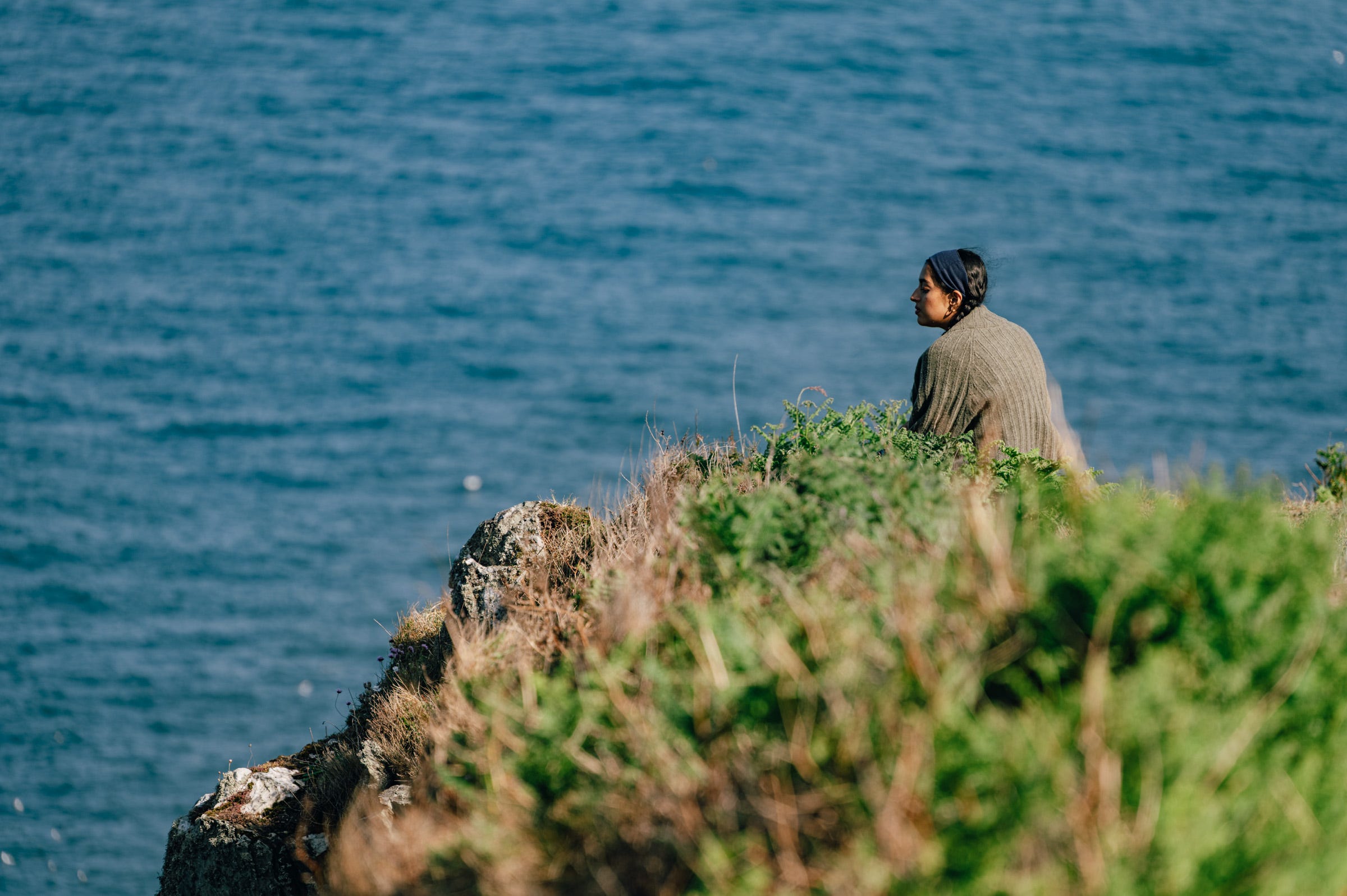
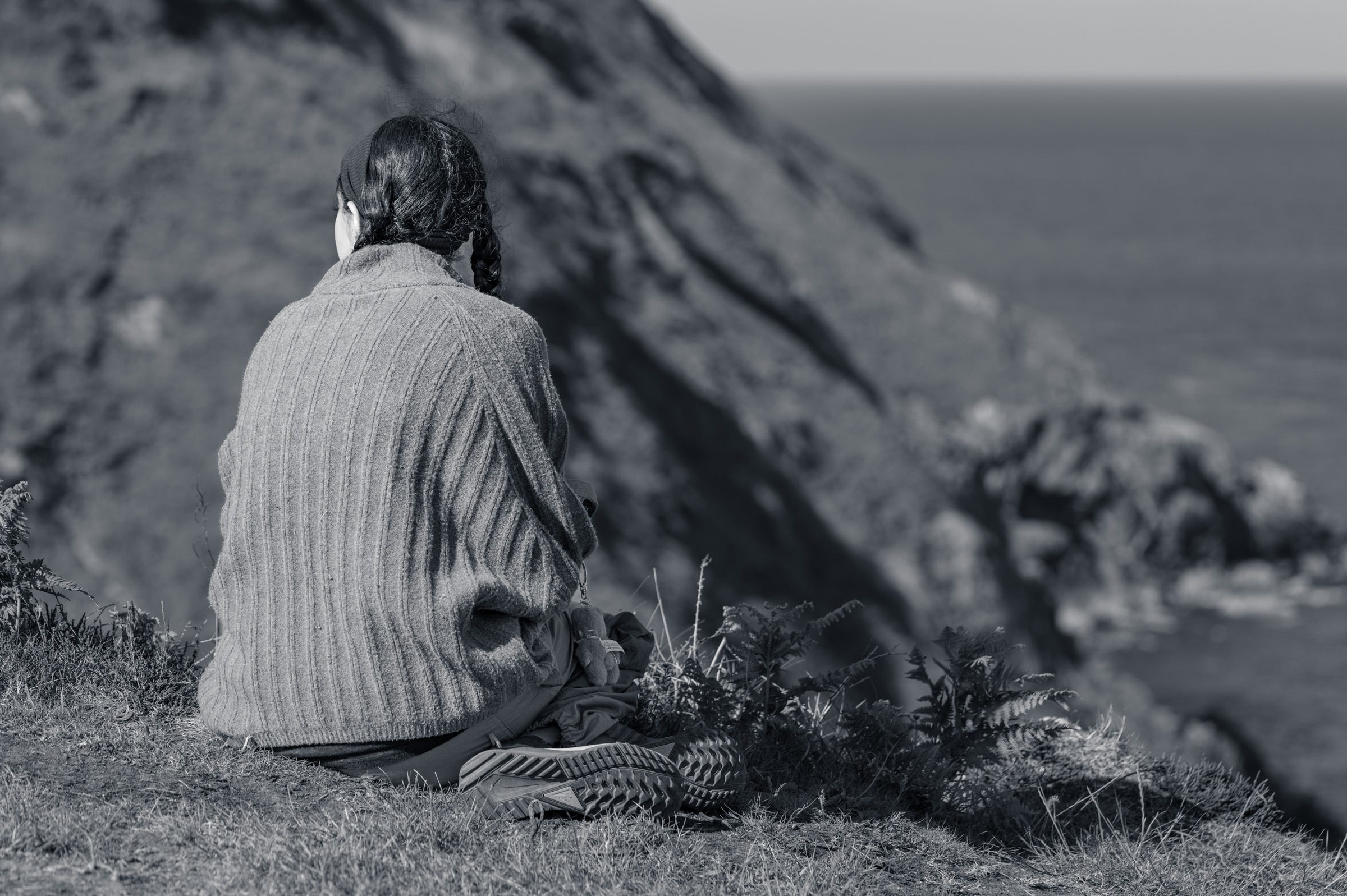
Of the two above, I adore the color photograph, because it captures exactly what I want to feel in those moments.
That’s me, most of the time I’m out with a camera. In my own head, lost in a world of thought, headphones on and blocking out noise.
I do exactly the same thing in the bustling city, the one that’s filled with people. I don’t care about the sounds. Getting lost in my own world helps me get into a state of flow.
When I’m walking with the camera, I’m in another world, thinking about what I’m seeing, or about what I’m feeling. And when I see somebody who is visually showing me the feeling that I’m feeling, I need to capture it.
Phil Penman, the great street photographer, once told me about the things he looks for when he’s out on the street. New York, primarily. That’s what he’s most famous for, although he photographs other cities amazingly well.
He said he likes to photograph in a way that shows you something unique, but there’ll be a reference point in it. One of the examples, if I’m remembering it right, was Darth Vader walking down a street in Rome. A basilica in the background. Another was a unique person in a unique situation in New York, with the Empire State Building blurred out in the background. You don’t need those buildings to tell you where you are. They’re so recognizable that you already know.
I’m almost the opposite in that regard.
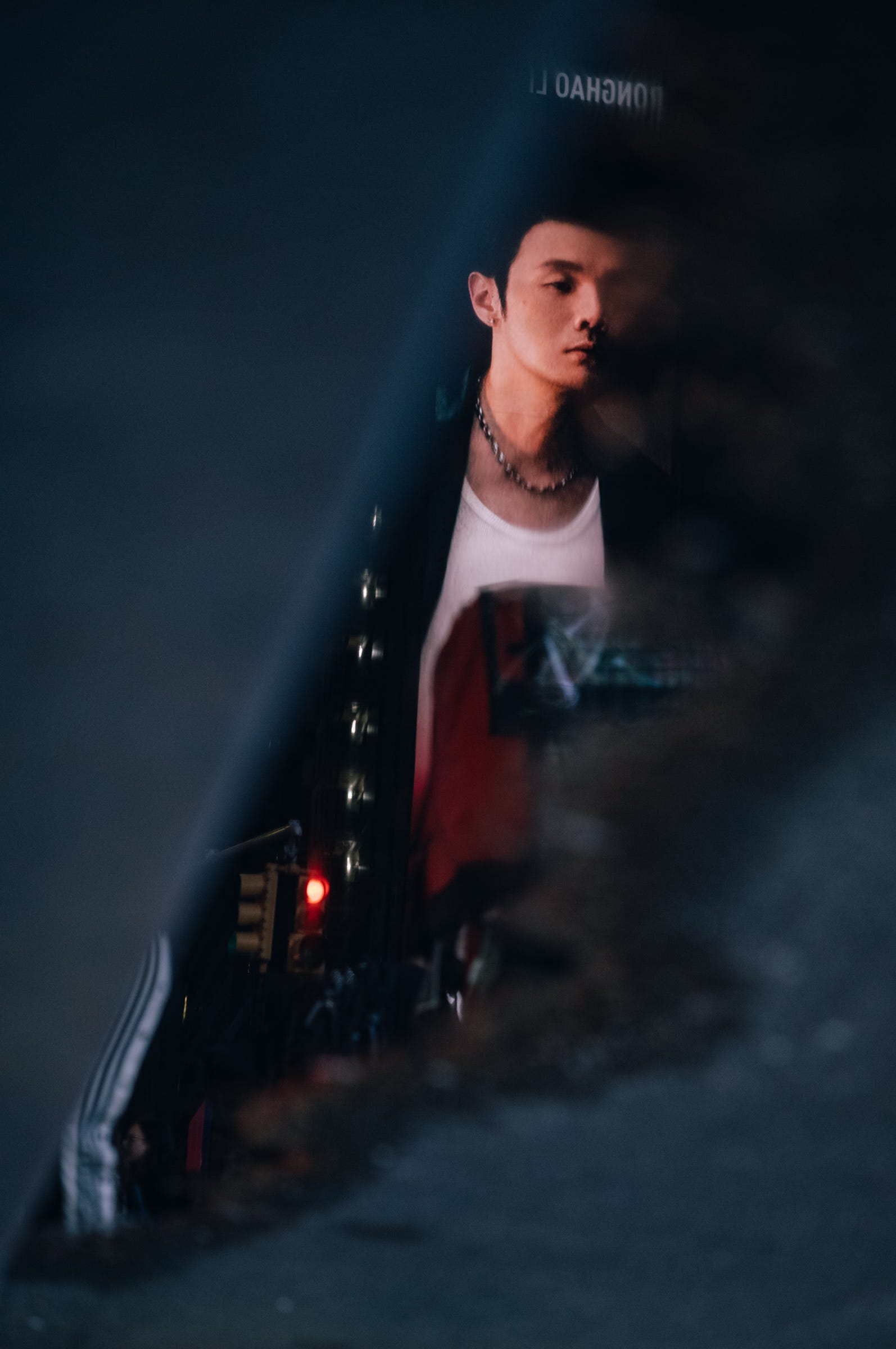
That one is Times Square. The most photographed few hundred metres in the world, and there isn’t a single thing in the picture to tell you.
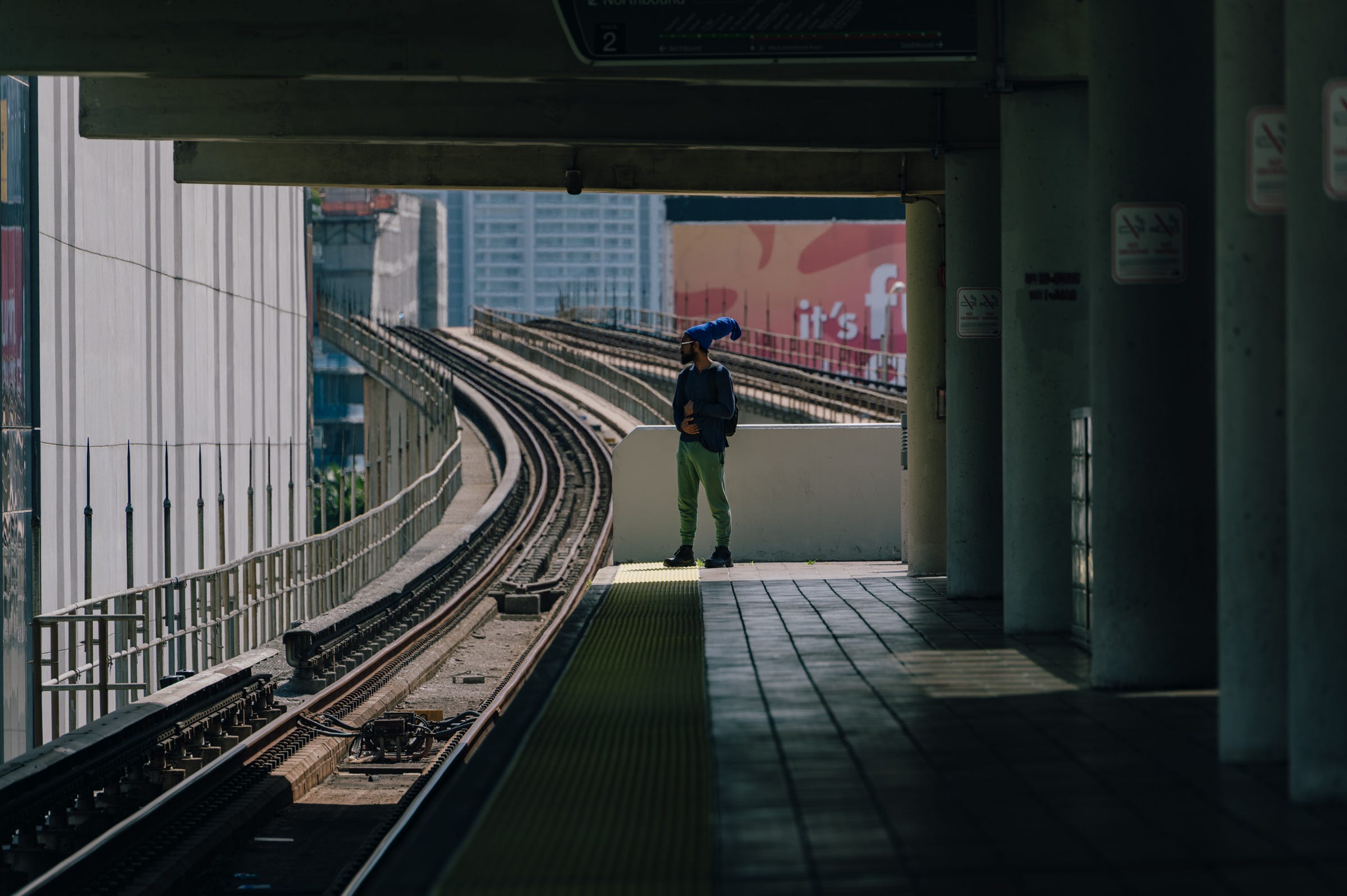
And that’s a train station in Miami.
I love to take photographs of recognizable things, of course I do. The one at the top of this post is the Summit, with the Chrysler Building sitting right there behind her, and you know exactly where you are before you’ve thought about it. I think (hope) Phil Penman would like that one.
But I almost prefer the other feeling. The question of it.
What am I looking at?
I think that’s what art is. Because if you don’t automatically know what you’re looking at, maybe your mind starts pointing you in the direction of the things you want to see in it. Or want to feel in it. Or don’t want to feel, but do feel, and do see.
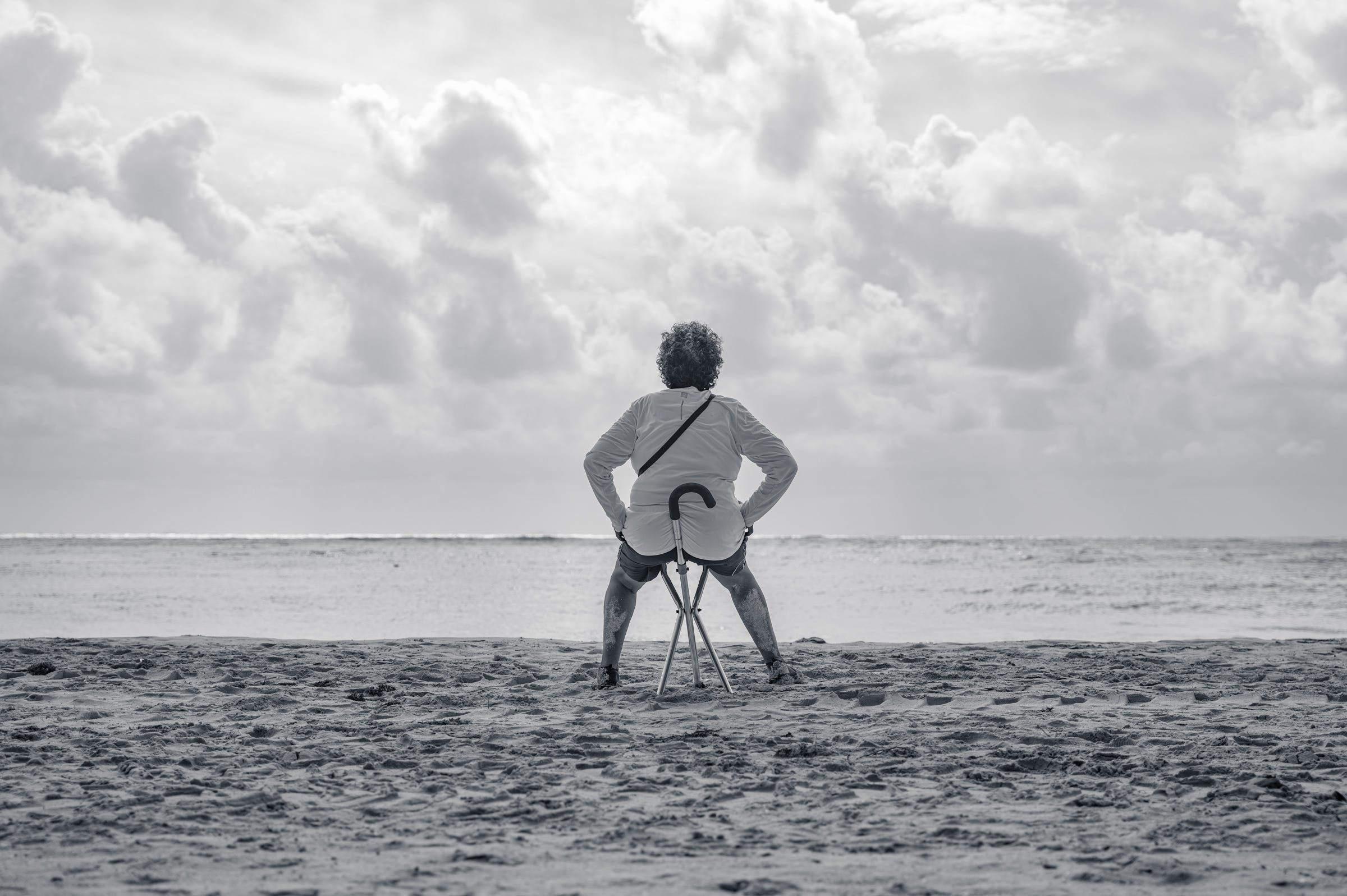
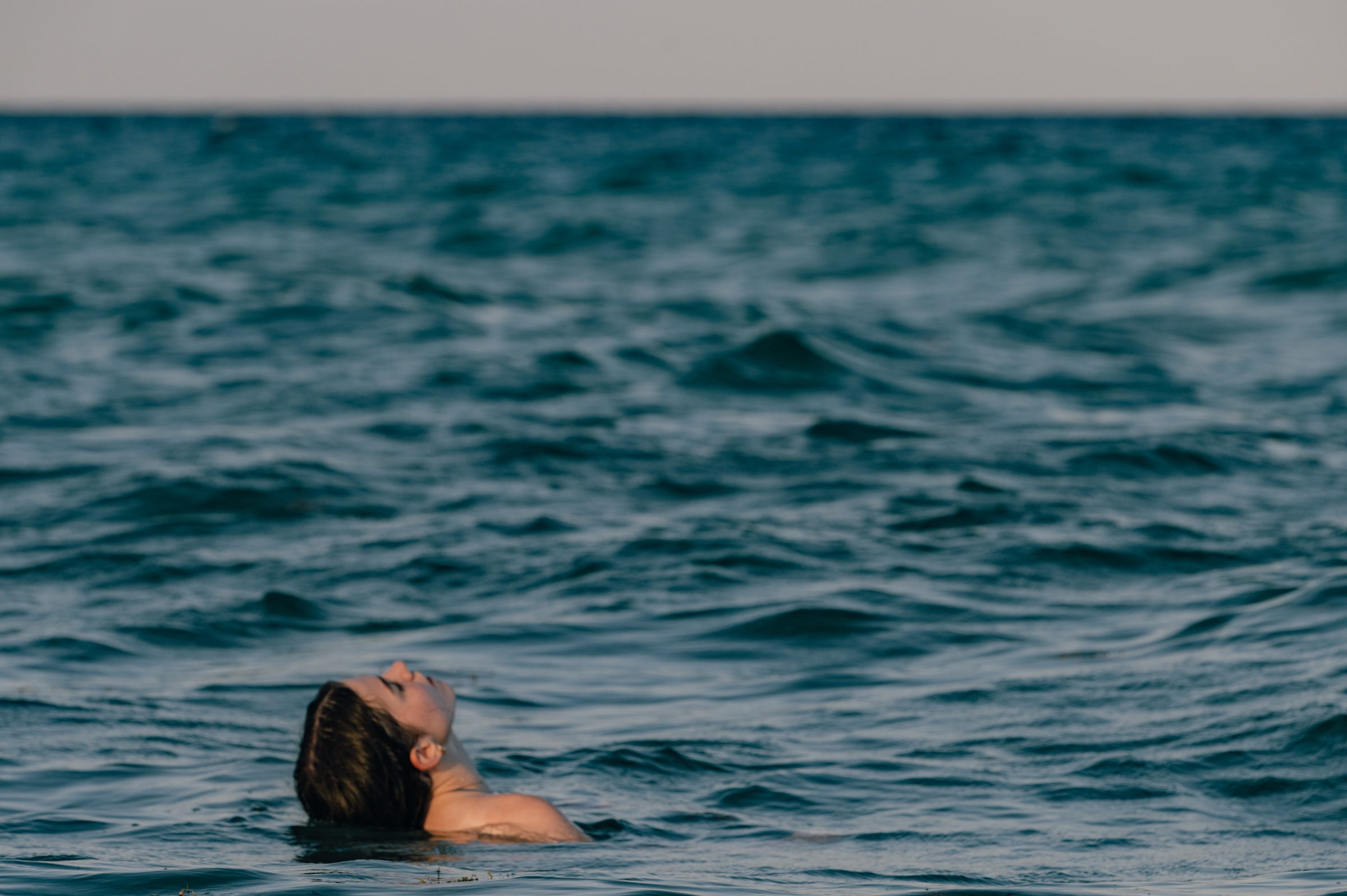
I’m curious whether you work the other way round. Do you go somewhere because of what it is, or do you go and wait to see what turns up in it?
Until next week,
Paul
You can treat me to a coffee or buy my prints.
Now I'll be soul searching through subject matter. This was a great read.
They are all incredible but that second photo down? My god Paul it’s so beautiful and atmospheric